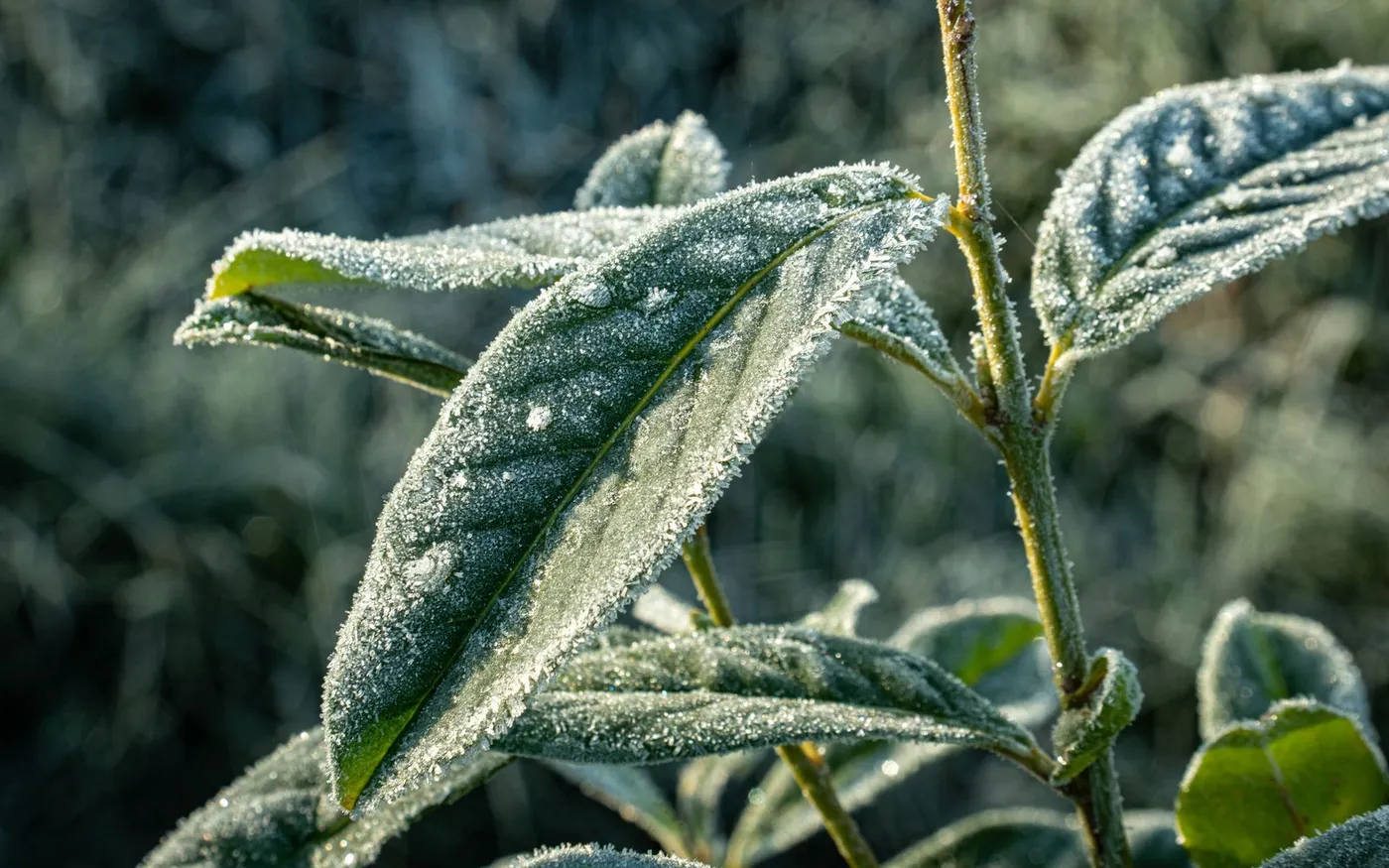
After the first frost, the yard goes quiet. The wasps are gone, and the empty paper shell is still hanging under the eave or sitting in a hole in the lawn. A fair question follows: will something move back in next year?
The answer starts with how a yellowjacket colony restarts, and it changes what is worth doing around your house this winter.
The Queens Carry the Colony Forward
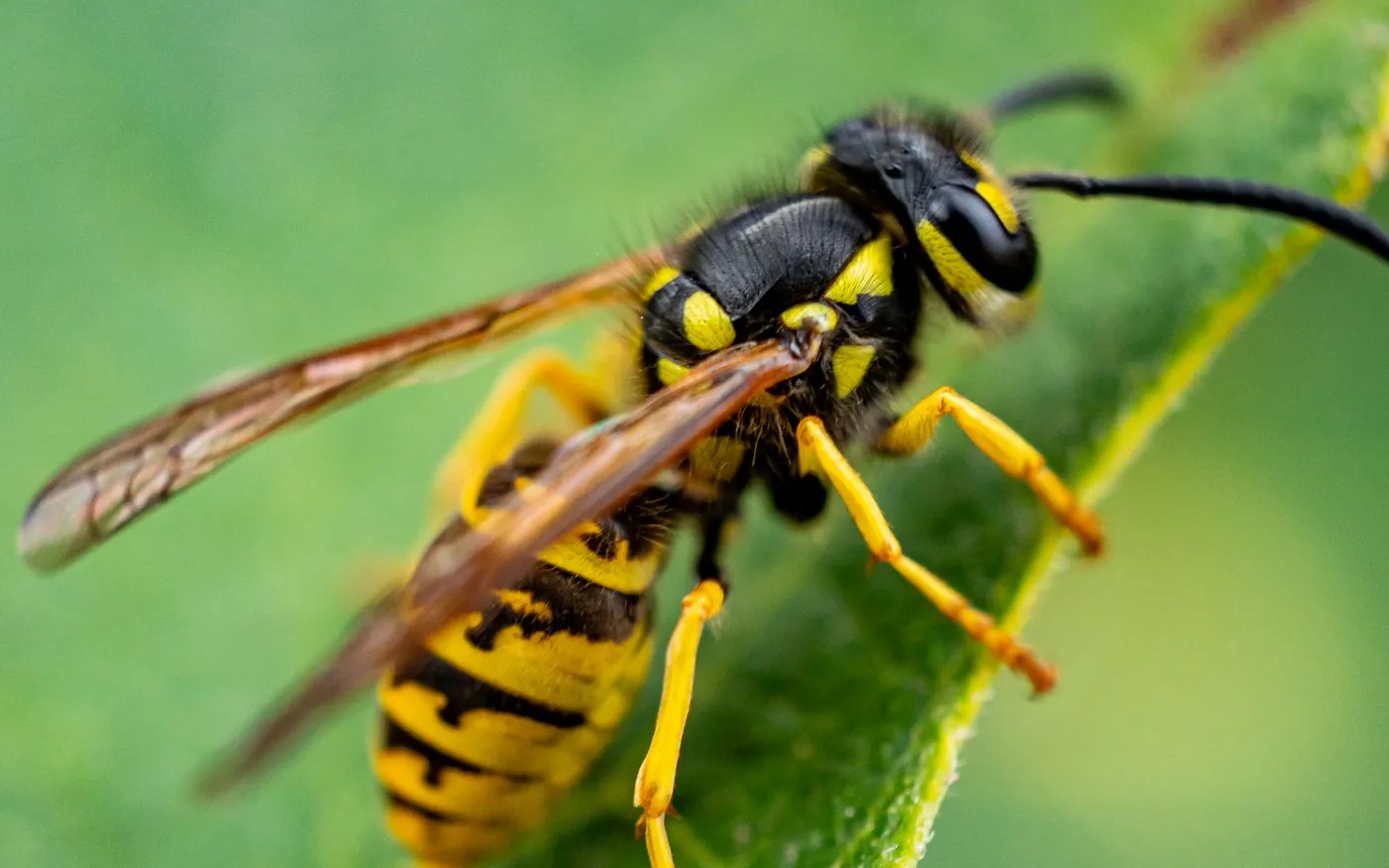
OSU Extension explains that in many parts of Oregon a yellowjacket colony dies after the first hard freeze. Newly mated queens survive elsewhere through the winter and start new nests the following spring. For the weeks before the freeze, see how a late October nest behaves.
That is the part worth remembering. The workers do not carry over, and the colony does not wait inside the old nest. What survives is a small number of queens, each of which begins again on her own.
Because the queens are the future colony, they are also the part of the cycle that is easiest to interrupt. OSU’s guidance notes that lure traps set in early spring, while queens are active, can stop them from founding new nests.
What That Means for Last Year’s Nest
An old nest is a record of where yellowjackets found a protected, useful spot. The restart described above begins with queens founding new nests, so the empty shell is not the place to focus your worry. The location is.
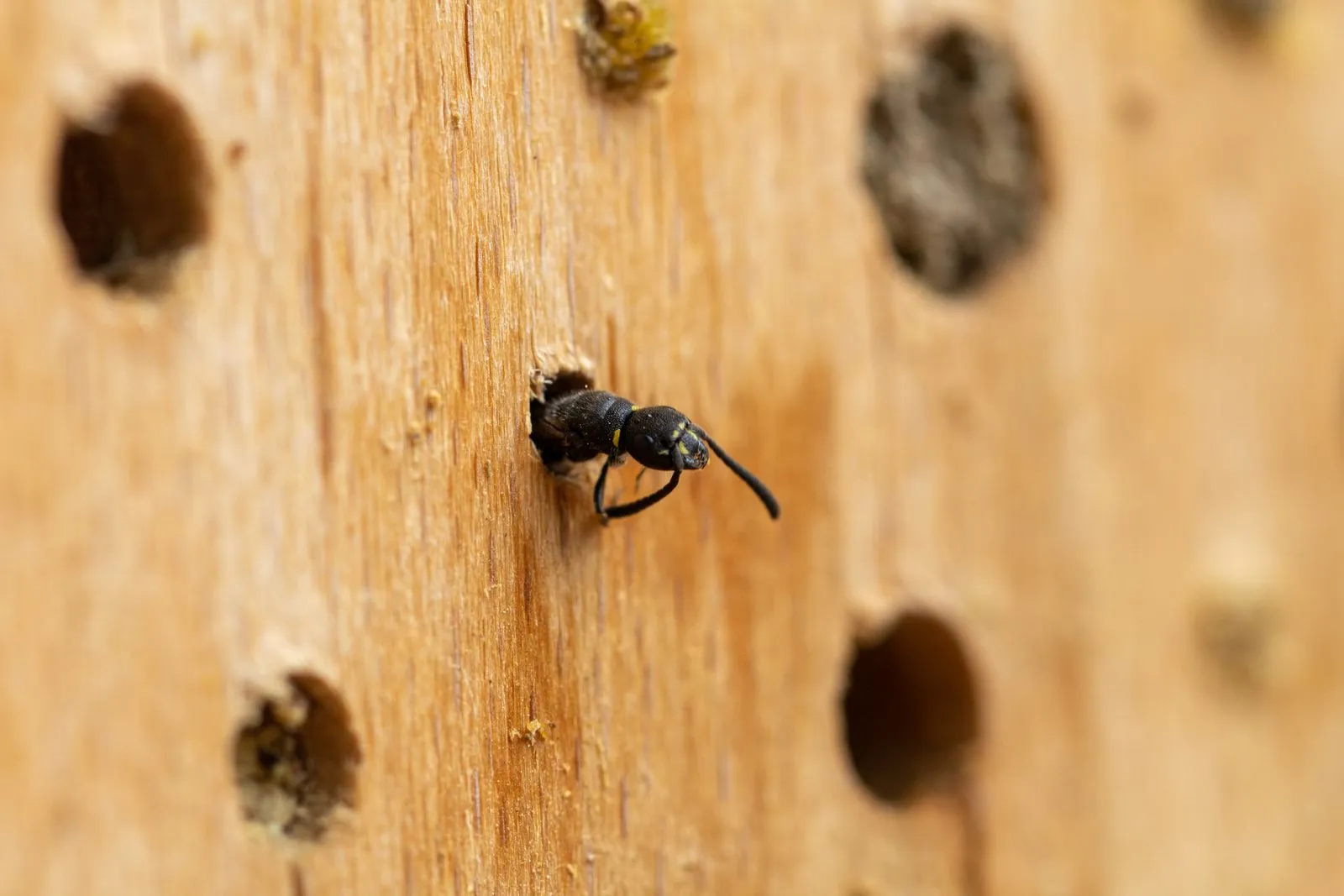
OSU’s yellowjacket guide lists underground cavities, spaces under foundations and patios, and wall voids as places yellowjackets build. If your nest was in one of those, that spot deserves attention before spring.
If you are not sure what the old structure is, or whether anything could still be inside it, read our guide to abandoned and active nests before you disturb it.
Winter Jobs That Help Next Spring
You cannot see a queen resting somewhere you cannot reach, but you can look at the house with fresh eyes while the weather is quiet:
- Photograph the spot where the nest was, with the wider area in frame.
- Note any gap, hole, or soft spot in siding, trim, or foundation that insects used. If wasps were going into the siding, tell whoever does your repairs.
- Mark where a ground nest was, so spring mowing and digging does not surprise you.
- Plan to check the same spots on mild days in early spring, when queens start looking for a place to build.
Take photos and notes only. Leave openings in the structure alone until someone has confirmed nothing is still active inside.
Warm Winter Days and Insects Indoors
An occasional wasp that appears indoors on a warm day is worth noting: where did you see it, and which room? Do not swat at it or open up the nearest wall to look. Write down the location and time, and send us a photo of the wall or ceiling area if you can.
A few insects at a window do not necessarily mean a nest. A steady stream in the same place over several days is a different story, and that is worth a call.
When to Ask Sam
Sam The Bee Man provides yellowjacket removal and wasp control across West Linn and the Portland metro area. If you have a nest in a protected spot, or insects showing up inside the house, send us the location and a photo. We will help you work out what to deal with now and what to watch in spring.