A row of dried mud tubes under the eave, or a lump of dirt on the garage wall, is easy to mistake for something worse. Both are common on Portland homes, and both usually turn out to be the work of mud daubers.
Mud daubers are one of the few wasps that give homeowners very little trouble. The question is what the nest is, and whether it needs to go.
Are Mud Daubers Dangerous?
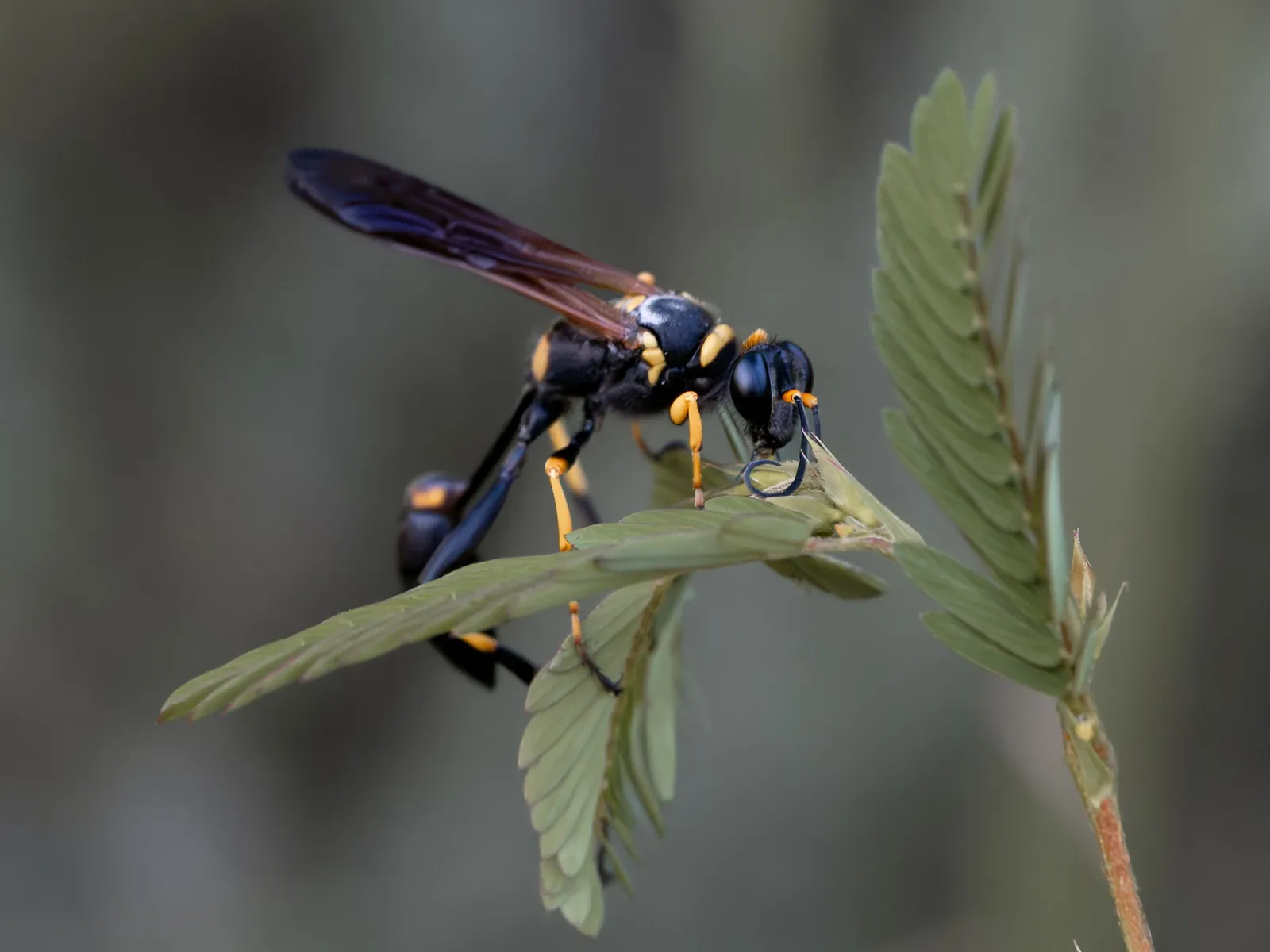
Not in the way yellowjackets are. Oregon State University Extension’s answer to a gardener who found mud nests in a mason bee box says that mud daubers are not a pest or nuisance to humans and are not aggressive. The University of Maryland Extension agrees that mud dauber wasps are not aggressive and are usually seen collecting mud at puddles or working at the nest.
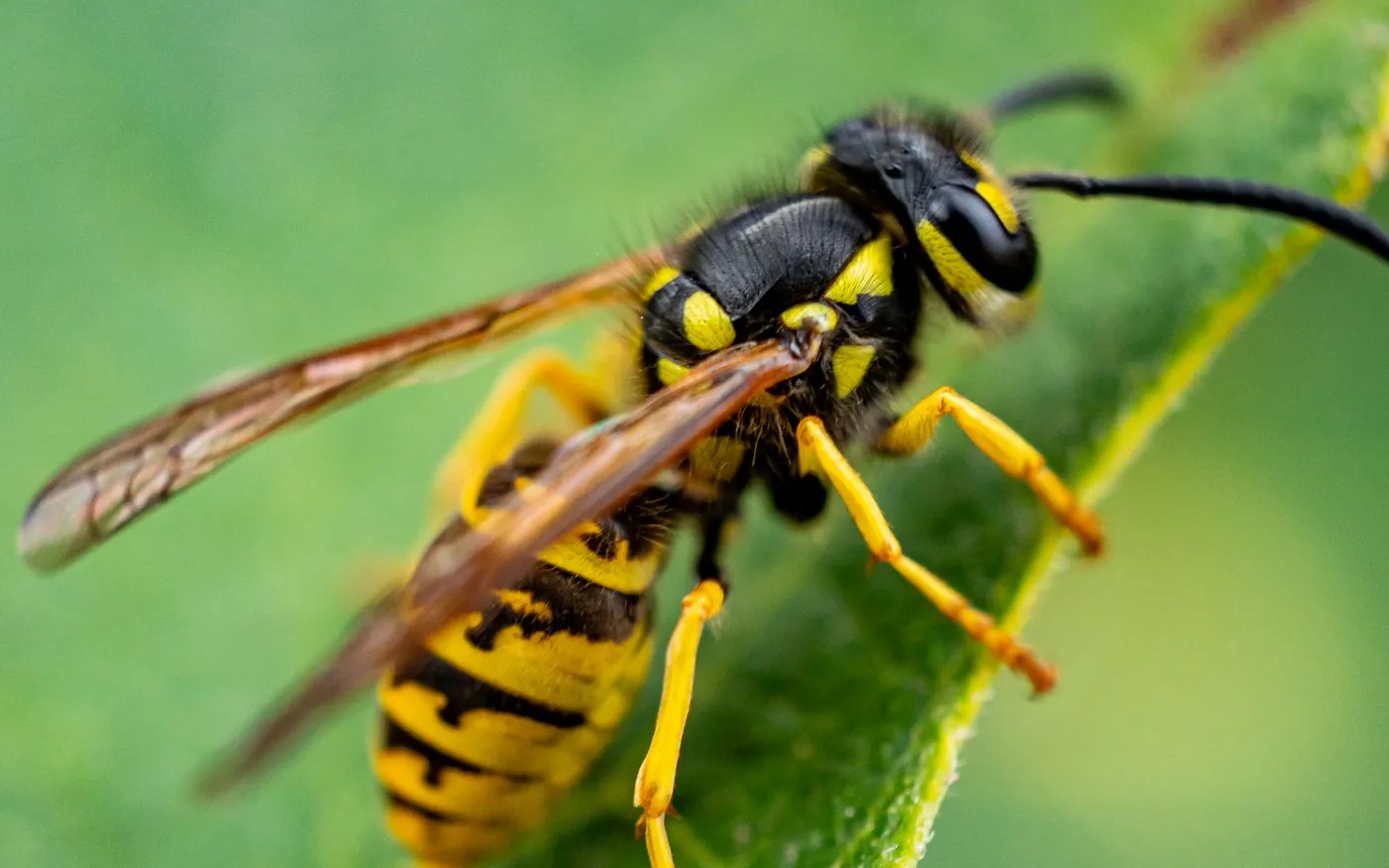
That is a very different animal from the yellowjackets that can still be active in late October.
What the Mud Nest Is For
A mud dauber nest is not a home for a colony. Each tube is a brood chamber. The female stocks it with spiders, and the young wasp eats them as it grows. OSU Extension describes how the female captures spiders, paralyzes them with her venom and stuffs several of them into each cell.
So a mud nest on your wall means spiders were hunted around your home, not that a swarm is building. There are no workers streaming in and out of a hole, which is the pattern worth worrying about.
What Happens to a Mud Nest in Winter
An Extension specialist answering a question on Ask Extension notes that Oregon has two mud dauber species, and that the immature stages, larvae and pupae, are what overwinter in the nest. The same answer says the adults all die in the fall and early winter.
That is the opposite of a wasp queen. A mud nest that is still on the wall in November is either empty or holds young wasps waiting for spring. It does not have adults guarding it.
Should You Scrape Off Old Mud Nests?
Usually it is a matter of taste. The University of Maryland’s advice is simple: knock the nest down if it sits somewhere undesirable, and otherwise leave the wasps alone.
The Ask Extension answer adds that nests with open cells can be taken off and thrown away without harming developing wasps. If you do scrape one, a few things help:
- Wait for a cold day. By then the adults have died off.
- Use a putty knife, and wear gloves and eye protection for the dust.
- Wash the spot with soapy water so the area is clean when spring comes.
When a Nest Is Not a Mud Dauber Nest
Plenty of things get called mud dauber nests that are not. Gray paper comb under an eave is a paper wasp nest, and a mud-colored lump with traffic going in and out of one hole can be something else entirely.
How to tell the difference:
- Mud tubes or a dirt clump with no steady traffic are the usual mud dauber work.
- Open hexagonal cells or a gray paper shell mean paper wasps or hornets.
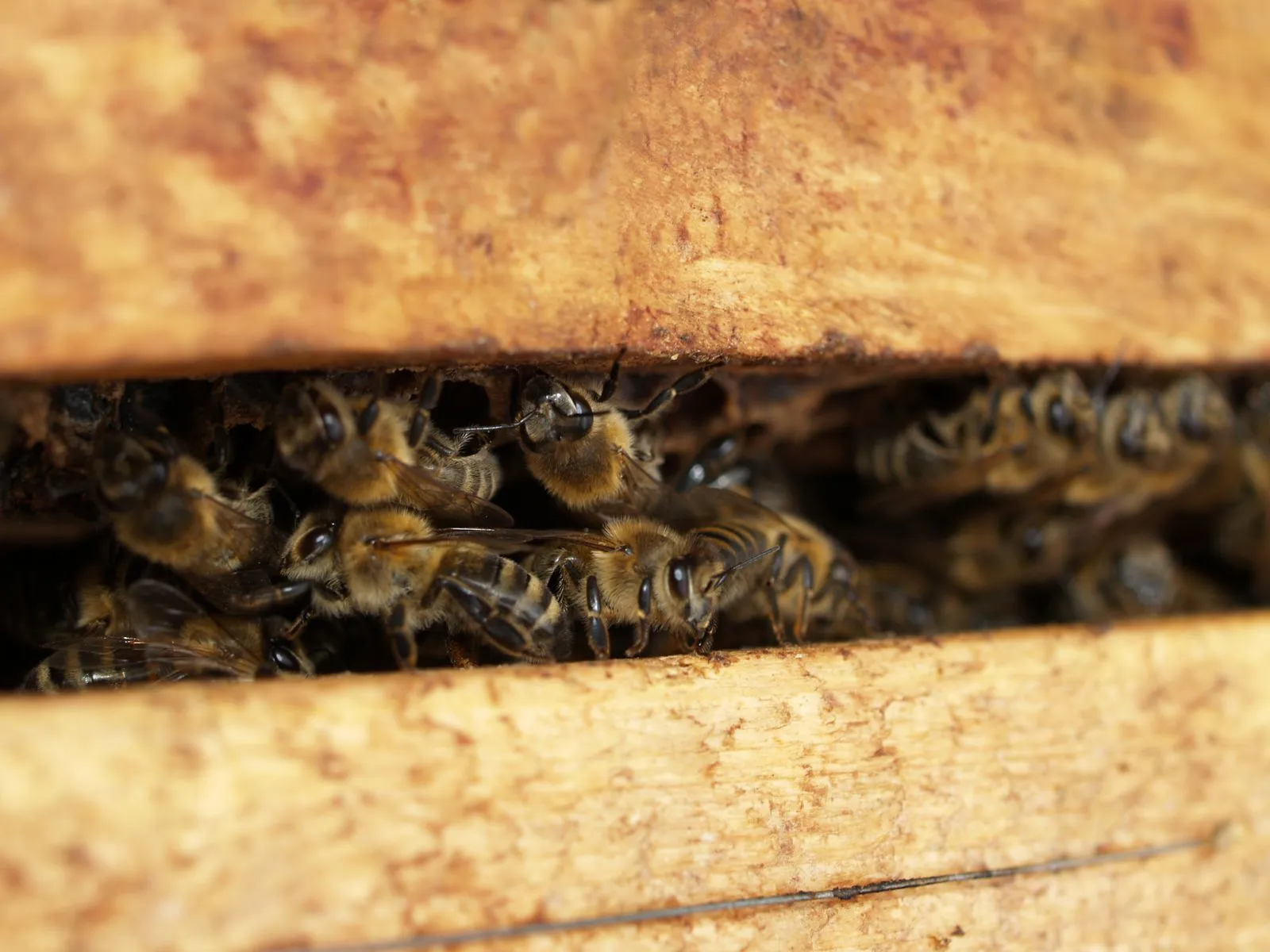
- A steady stream of wasps at one hole means a colony, and it should be left alone.
An old nest that looks quiet is not always inactive, so identify it before touching it.
If You Cannot Tell What Built It
A photo from a safe distance settles most of these. Sam identifies wasps and nests from photos before he comes out. If it turns out to be a wasp colony rather than a mud nest, wasp nest removal in Portland is the next step, quoted before he starts.
For a plain mud dauber nest, a scraper and a cold afternoon are usually all it takes.